The hospice phase for a dog is the final stage of life where the medical focus shifts from curing an illness to managing pain and maximizing comfort. Understanding dog old age symptoms dying Jupiter, Nevada, helps pet owners recognize when their loyal companion begins this difficult transition.
If you need support navigating this transition right now, contact Rover Veterinary Care at (561) 295-7979 for compassionate guidance.
In my 5+ years providing exclusively end-of-life care, I have learned that recognizing these symptoms early allows families to make informed, loving decisions. Our goal is to provide guidance and support to keep your pet comfortable during their final days.
What Are the Common Symptoms of Dog Old Age?
Aging dogs typically show physiological changes like decreased energy, joint stiffness, and graying fur around the muzzle. These normal signs of aging usually develop gradually over several years. You will likely notice your dog taking longer to stand up after a nap or showing less interest in long walks around Abacoa.
Normal aging differs from a sharp decline in health. While a healthy senior dog might just sleep more, a dog entering the hospice phase may completely lose their appetite or struggle with severe mobility issues. Watch for rapid changes that happen over weeks rather than years. A sudden inability to climb stairs or a 30% drop in body weight are clear indicators that your pet needs an evaluation.
How Does the Transition to End-of-Life Care Work?
The hospice phase in canine care is a dedicated period focused entirely on comfort, pain management, and preserving quality of life. This phase begins when treatments for underlying conditions are no longer effective or when the side effects outweigh the benefits.
The emotional impact on pet owners during this time is heavy. You are shifting from a mindset of curing to a mindset of caring. Having a strong support system is vital. We encourage families to involve everyone in the household, so you can share the emotional load and ensure your dog receives constant love. Dog old age symptoms dying Jupiter, Nevada, can vary, but the need for a calm, supportive environment remains the same.
What Are the Key Symptoms of a Dog Dying?
A dying dog will exhibit specific physical and behavioral changes as their body begins to shut down. You might see altered breathing patterns, such as shallow or labored breaths. They often lose coordination and show increased weakness in their hind legs.
Other key physical symptoms include a total loss of appetite and thirst. Your pet may also experience incontinence or changes in their elimination habits. Behaviorally, many dogs withdraw from their families, while others become restless or excessively seek comfort. You might also notice a decreased body temperature, especially in their extremities. Keep in mind that these symptoms vary widely. Your dog may only show one or two of these signs.
How Can You Provide Comfort During the Hospice Phase?
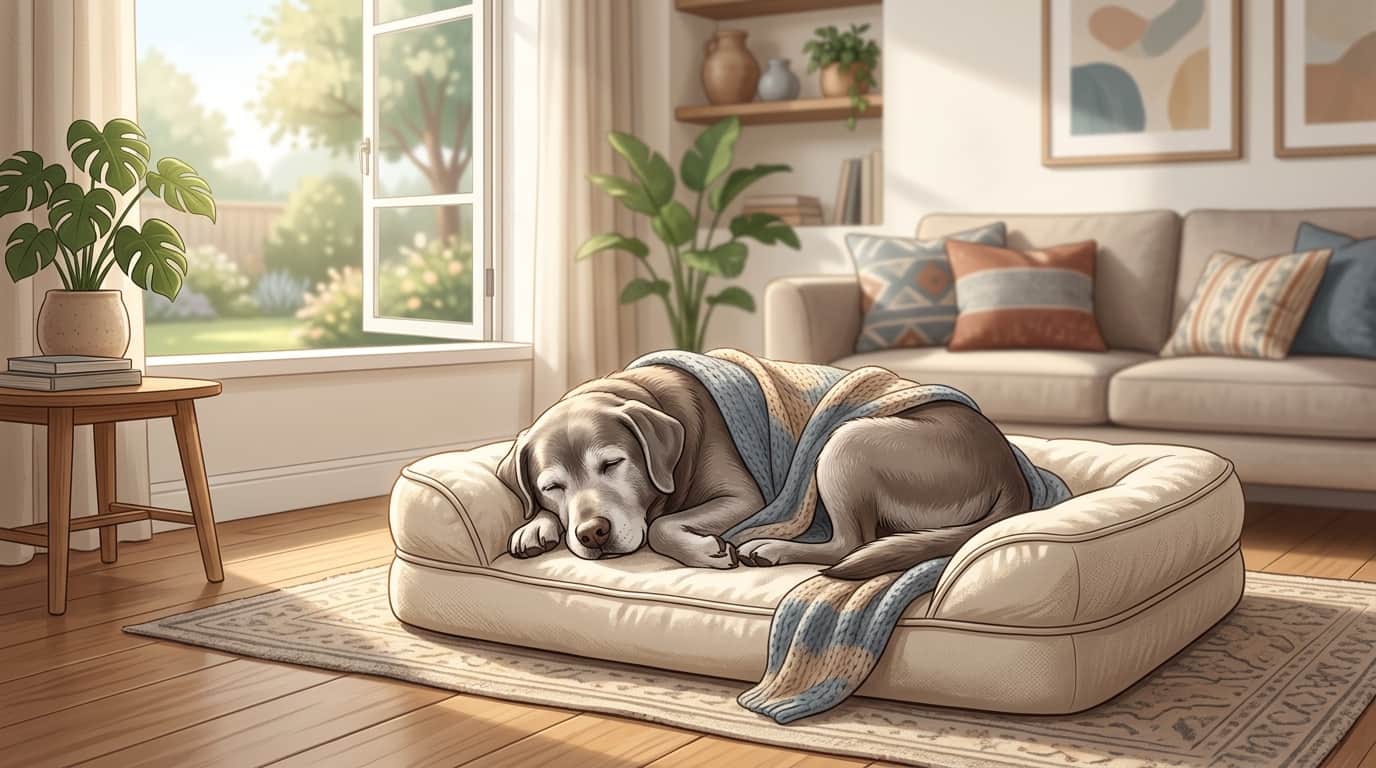
You can provide comfort by creating a warm, accessible space with soft bedding placed away from drafty areas or loud noises. A quiet corner near the family typically works best. You can assist with mobility using ramps or support slings to help them outside.
Hydration and nutrition management are also critical. Offer small, palatable meals, and use a syringe for water if your vet recommends it. Pain management is the cornerstone of hospice care. Always consult a professional to ensure medications are working effectively. Maintaining your dog's hygiene by gently cleaning them with pet-safe wipes helps them feel dignified and loved.
When Is the Right Time for Euthanasia?
Assessing a dog's quality of life involves looking at their daily experiences and determining if they have more bad days than good days. If chronic pain is no longer managed by medication or if they refuse food for multiple days, their quality of life has severely declined.
Consider a recent family we helped near the Jupiter Inlet Lighthouse. Their senior Golden Retriever was suffering from advanced arthritis and failing kidneys. The family chose pet euthanasia at home. Passing away peacefully in his favorite bed, without the sheer terror of a sterile clinic table, was the ultimate gift they could give him. The procedure took about 30 to 60 minutes, allowing the family to say goodbye in a relaxed, loving environment. Packages for this service start at $450.
How Can Pet Owners Cope With Grief?
Losing a pet triggers a profound grief process that is completely natural. We see families struggle with this loss every day, and we want you to know that there is no right or wrong way to mourn.
Seek coping mechanisms that work for you. Pet bereavement counseling and local support groups offer safe spaces to share your feelings. After the passing, many families find closure through pet cremation options. Communal cremation starts at $350, while private cremation returns your pet's ashes to you in 5 to 7 days. These services allow you to honor your pet in a way that aligns with your family's wishes.
Honoring Your Pet's Life and Legacy
The hospice phase is a challenging but beautiful opportunity to show your dog how much you care. By managing dog old age symptoms dying Jupiter Nevada, you ensure their final days are filled with peace and dignity.
We are the local experts you trust with your family members. If you are noticing dog old age symptoms dying Jupiter Nevada and need support, we are here to help. Contact Rover Veterinary Care at (561) 295-7979 to discuss how we can bring comfort to your home.