
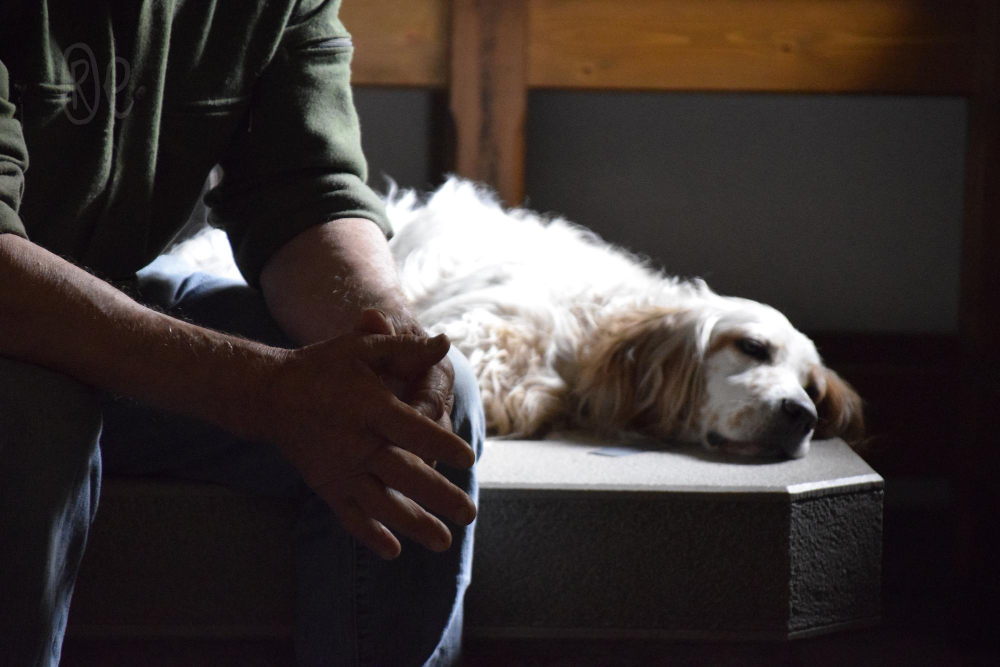
Making the decision to say goodbye to a beloved pet is one of the most heart-wrenching experiences a person can face. The grief, guilt, and uncertainty can feel overwhelming, leaving you to question if you are making the right choice. However, it's possible—and important—to reframe this difficult decision. Choosing euthanasia is not an act of giving up; it is the ultimate act of love and compassion for a pet who is suffering. It is a gift of peace.
This guide is for those navigating this painful journey. We will explore the emotional complexities of this decision, discuss how to recognize when it might be time, and explain why choosing a peaceful passing for your pet is a profound expression of your bond. Understanding this can help ease the burden of guilt and allow you to focus on providing comfort and love during your pet's final moments.
Recognizing When It's Time
One of the hardest parts of the process is knowing when to make the call. Our pets can't tell us when they are ready to go, so we must become their compassionate observers. Vets often recommend assessing their quality of life. This isn't about one single bad day, but rather a consistent decline where the bad days begin to outnumber the good.
Here are some key factors to consider when evaluating your pet's quality of life:
Pain and Discomfort
Chronic, unmanageable pain is a significant indicator. Is your pet constantly whimpering, hiding, or showing signs of distress that medication no longer helps? Are they reluctant to move, or do they have difficulty finding a comfortable position to rest? While we can manage many conditions, a point may come where their pain is no longer controllable, severely impacting their well-being.
Appetite and Hydration
A loss of interest in food and water is a common sign that a pet is nearing the end of their life. While occasional fussiness is normal, a sustained refusal to eat or drink can lead to weakness and further health complications. Are they turning away from their favorite treats? Have they lost a significant amount of weight?
Mobility
The inability to stand, walk, or even reposition themselves can be distressing for both pets and their owners. Pets who can no longer get up to greet you, go outside for the bathroom without assistance, or enjoy their usual walks may have a significantly diminished quality of life.
Interest in Life
A healthy pet is curious and engaged with the world around them. When a pet withdraws, stops interacting with family members, and no longer finds joy in their favorite activities—like playing with a toy, sunbathing, or asking for cuddles—it's a sign that their spirit is fading.
Keeping a journal to track these signs can help you see patterns more clearly, making the decision-making process less about emotion and more about observable facts. Consulting with your veterinarian is crucial; they can provide a medical perspective on your pet’s condition and help you understand their prognosis.
Euthanasia as an Act of Mercy
The word "euthanasia" comes from the Greek for "good death." The core principle is to provide a peaceful and painless end to suffering. As pet owners, we take on the responsibility for their well-being from the moment they enter our lives. This responsibility doesn't end when they get sick or old; in fact, it becomes even more critical. Allowing a pet to suffer needlessly because we are not ready to say goodbye is not in their best interest.
Choosing euthanasia means you are prioritizing their comfort over your own emotional pain. It's a selfless decision that honors the bond you share. You are choosing to take on the heartbreak of loss to spare them from further pain. This final act of care ensures their last moments are filled with peace and dignity, rather than fear or suffering.
The Comfort of In-Home Euthanasia
When the time comes, the environment in which you say goodbye matters. A veterinary clinic can be a place of stress and anxiety for many pets. The unfamiliar smells, sounds, and people can add to their distress in their final moments.
This is why many families are choosing in-home euthanasia. This option allows your pet to remain in their favorite, most comfortable space—be it their bed, a sunny spot on the floor, or your lap. They are surrounded by familiar sights, sounds, and the people they love most.
Benefits of in-home euthanasia in Jupiter, FL, include:
- Reduced Stress for Your Pet: Your pet remains in a familiar, comforting environment, which minimizes fear and anxiety.
- A Private, Personal Experience: You and your family can grieve in the privacy of your own home, without the clinical setting of a vet's office. You can take as much time as you need before, during, and after the procedure.
- Inclusion of the Whole Family: Other pets in the household can also be present, which can help them understand the loss and prevent them from searching for their missing companion.
- A Peaceful Setting: You can create a serene atmosphere with soft lighting, quiet music, or your pet's favorite blanket, making the experience as peaceful as possible.
A compassionate veterinarian who provides in-home services will walk you through every step of the process, ensuring you and your pet are comfortable and treated with respect and gentleness.
Navigating Your Grief
After your pet has passed, it's essential to allow yourself to grieve. The loss of a pet is the loss of a family member, and the depth of your sorrow is a testament to the depth of your love.
- Acknowledge Your Feelings: It's normal to feel a wide range of emotions, including sadness, guilt, and even relief that your pet's suffering is over. Don't judge your feelings; just allow them to be.
- Seek Support: Talk to friends, family, or a support group for pet loss. Sharing your memories and your pain can be incredibly healing.
- Memorialize Your Pet: Create a tribute to your pet. This could be a photo album, planting a tree in their honor, or writing down your favorite memories.
Remembering that your final decision was made from a place of profound love can be a source of comfort during this difficult time.
A Compassionate Goodbye
Making the decision to euthanize a beloved pet is a heavy burden, but it is also a final, profound gift. It is the last act of love you can give, ensuring they pass with dignity and without pain. By focusing on their quality of life and choosing mercy over prolonged suffering, you honor the beautiful life they lived and the unconditional love they gave.
If you are considering in-home euthanasia in Jupiter, FL, and need guidance or support, Rover Veterinary Care is here to help. We offer compassionate, gentle end-of-life care in the comfort of your home. Contact us today for more information and to discuss how we can support you and your beloved pet during this difficult time.