· by Donna Dosado · 4 min read
Watching your pet slow down is one of the hardest parts of loving them this long, and if you're searching for what an in-home visit actually looks like, you're not alone in wanting to know before you decide. Reno families call Dr. Katie at (775) 800-6463 when they're ready to talk it through, no appointment pressure, just honest answers. Rover Veterinary Care built this practice so the last chapter happens somewhere your pet already feels safe, whether that's the couch by the window or a patch of grass out back. Here's exactly what the visit involves, from the moment she arrives to the quiet after.
What are the first few minutes of the visit like?
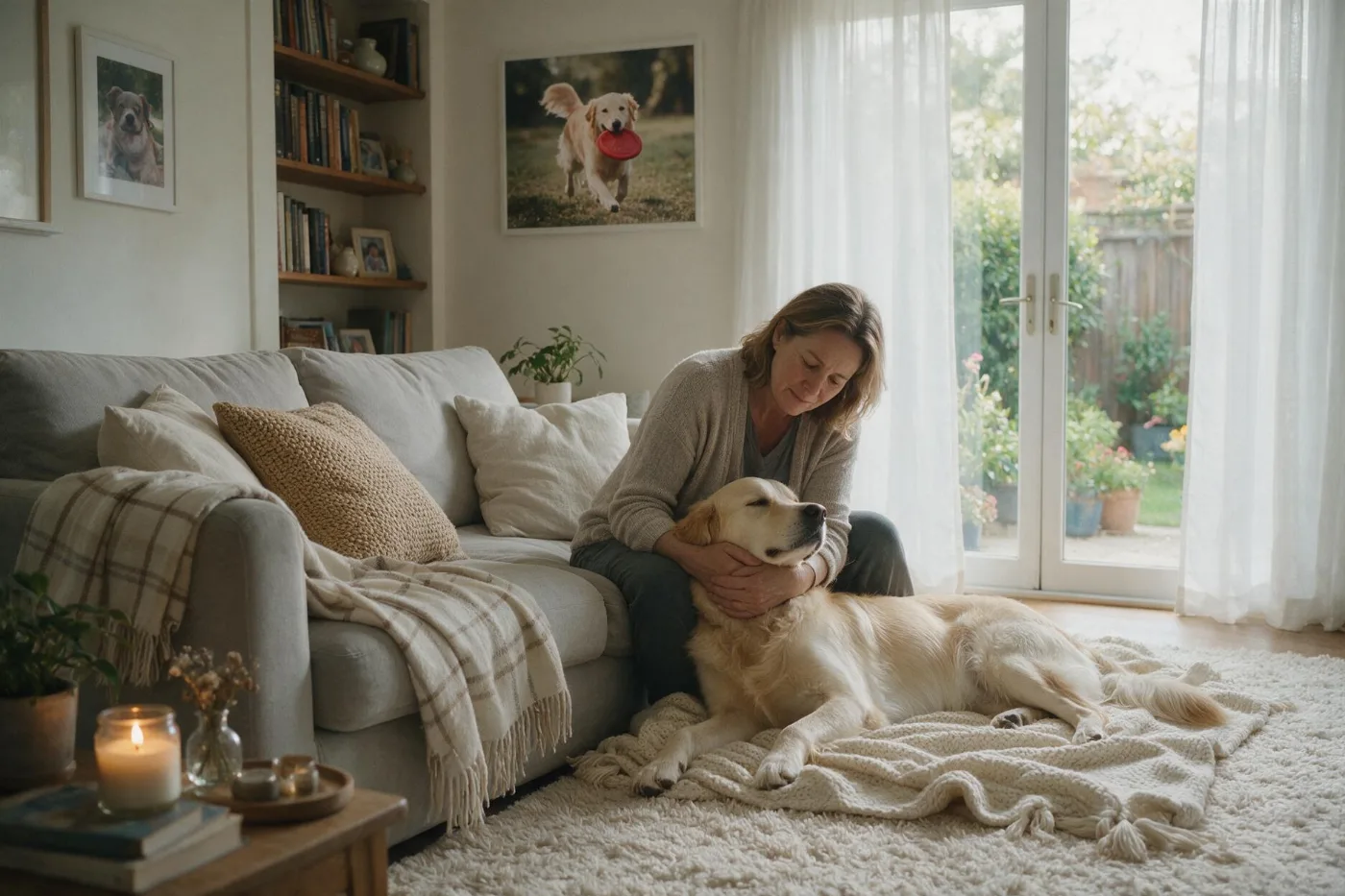
The first few minutes are about settling everyone, not starting anything. Dr. Katie texts or calls when she's on her way so you have a real sense of when to expect her, and her vehicle carries no markings, nothing that announces why she's there. She understands that a stranger's car in the driveway is already hard enough on a day like this. When she arrives she'll knock or send a quick text, whichever you'd rather have happen on a hard day. Once she's inside, she takes a minute to say hello and let your pet get used to her being there, no rushing straight past you toward the reason she came. Then together you find the spot that makes sense, a favorite blanket in the living room or the yard if the weather's easy, wherever your pet already feels safest. Before anything else happens, she walks you through each step of the in-home pet euthanasia process out loud, so nothing catches you off guard partway through. Nothing moves faster than you're ready for.
What are the two injections, and how do they work?
There are two injections, and each one does a distinct job. The first goes in much like a routine vaccine, a small shot that brings on full anesthesia within about five to ten minutes. Your pet grows heavy and relaxed during that window, completely free of distress, often drifting into what looks like an ordinary nap. Dr. Katie waits until she's certain your pet is all the way under before moving to the second step. That injection goes into a vein, and it lets your pet's body ease into stillness. There's no struggle, just a slow letting go. Once it's done, she listens with her stethoscope to confirm the heart has stopped, and she'll tell you clearly when that moment has passed so you're never left wondering. Two steps, both gentle, done at a pace that respects what your pet and your family need in that room, not a clock.
Is the process painful for my pet?
No, the process is not painful. Most families are caught off guard by how peaceful it actually looks, and more than one has told Dr. Katie afterward that their pet simply appeared to be sleeping. You're never asked to step away or hand your pet off to someone else. You can hold them the entire time, keep a hand on their side, stay close the way you would on any other evening at home. Hearing is the last sense to fade, so Dr. Katie will often encourage you to keep talking softly, using their name, telling them the things you want them to hear. Your voice matters right up until the end, even after they've stopped responding to anything else. Some families talk the whole time, others sit quietly with a hand resting on their pet, and both are exactly right. There's no correct way to sit with this, only your way, and Dr. Katie will follow your lead rather than the other way around.
What comes after your pet has passed?
After your pet has passed, you're given space, not a schedule to keep up with. The whole visit usually runs about thirty to forty five minutes from arrival to goodbye, with the procedure itself taking closer to ten or fifteen. Dr. Katie will offer to make a clay pawprint keepsake if you'd like one, pressing your pet's paw gently into the clay while you sit nearby, something many Reno families keep on a shelf afterward. She'll then step back and give you private time with your pet for as long as you need it. If you've chosen cremation, she handles that transport herself, carefully, so your pet never leaves your home in a way that feels rushed or clinical. When you're ready to talk about scheduling a visit, or just want your questions answered first, call Dr. Katie directly at (775) 800-6463 or reach out through the contact page. There's no pressure in calling, only answers, and you can decide on your own timeline.