
· by Donna Dosado · 5 min read
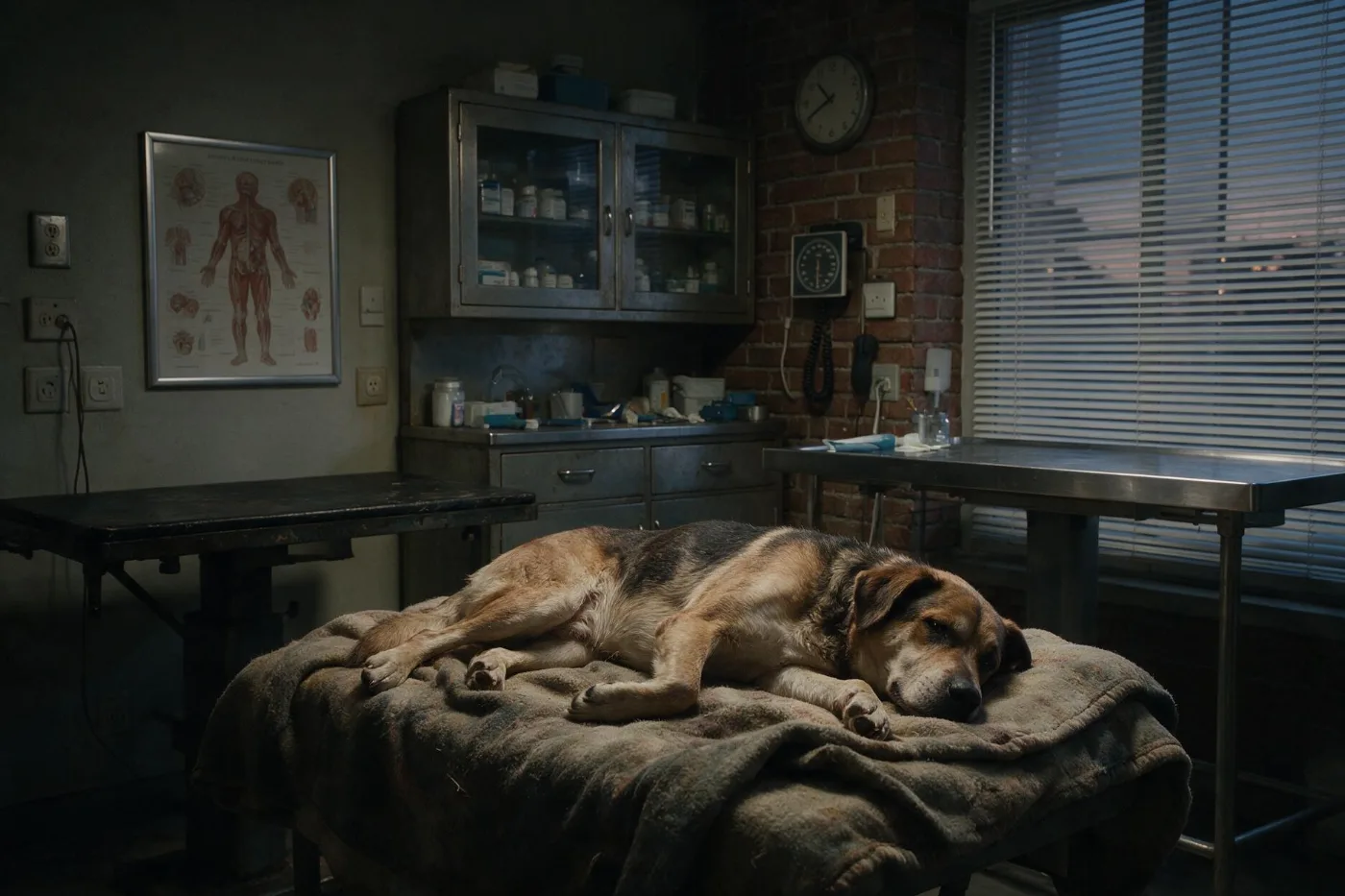
You know your dog's normal, the small rhythms of her day, how she meets you at the door, how she settles onto the rug once the house goes quiet. When that rhythm shifts, even in ways too small to describe to a friend, the worry that follows deserves to be taken seriously. Dogs hide pain so completely that many Reno owners don't notice until months have passed, chalking the changes up to old age or a stubborn mood instead. Rover Veterinary Care has sat with hundreds of families across the Truckee Meadows working through exactly this uncertainty. If any of what follows sounds like your dog, call (775) 800-6463 or reach out anytime through our contact page to talk it through.
How can my dog be in pain without obviously showing it?
Dogs are wired to hide pain, an instinct passed down from life in the wild, where looking weak meant becoming someone else's next meal. That instinct doesn't switch off just because your dog sleeps on a memory foam bed instead of hunting for food. Instead of limping or crying out, a dog in pain often goes quiet in ways that are easy to miss. Watch for pacing that has no clear reason, back and forth across the living room floor long after a walk should have worn her out. Watch for panting while she's resting in a cool room, when a Sierra evening has already dropped the temperature and there's no reason for her to be working that hard to breathe. These small, repeated movements are her way of trying to get comfortable in a body that won't let her. She isn't restless because she's bored. She's restless because sitting still hurts, and moving is the only relief she knows how to look for.
Which "bad behaviors" are really pain in disguise?
Some of the behaviors that frustrate owners most are pain talking the only way it knows how. A dog who used to bound out the door for a walk and now stops halfway down the driveway, sitting down and refusing to go further, isn't being difficult. Her joints or her back may be telling her that the gravel path or the incline up the street costs more than she has to give that day. A dog who snaps or nips when you go to lift her into the car or scoop her up off the floor is often warning you before the pain gets worse, not turning mean. And if a dog who has been reliably housebroken for years suddenly starts having accidents inside, look past the frustration first. It's rarely defiance. More often it's an underlying medical problem, real difficulty getting up to reach the door in time, or the kind of cognitive decline that makes the whole routine harder to follow. Each of these is worth mentioning to your vet by name, not folded into a vague complaint about behavior.
What do sleep and appetite changes tell you?
Sleep and appetite are two of the clearest windows into how your dog is feeling, once you know what to watch for. A dog in pain often can't settle at night. She gets up, circles, lies back down, and gets up again, sometimes panting in the dark for no reason you can see. That kind of restlessness is different from the occasional bad night. It's a pattern. Appetite tells its own story, though not always the one you'd expect. Some dogs go off their regular food and will only take treats, holding out for something worth the effort of eating. Others stop taking treats too, which is usually the stronger signal that something is wrong. Appetite alone can still be misleading either way, since some dogs keep eating right through serious illness out of habit, so a full bowl doesn't mean she's fine. If you're trying to piece together what these changes add up to, our quality-of-life resources walk through the fuller picture beyond any single symptom.
When pain means it's time to ask for help
When pain means it's time to ask for help, the answer starts with your regular veterinarian, not with searching symptoms online at midnight. Many of the issues behind these signs, like arthritis or a hidden illness, can be treated or eased once you name them out loud to someone who examines her. That visit alone may buy your dog real comfort and buy you real time. But if her decline has gone further than treatment can reach, Dr. Katie's Comfort Care Assessment offers a different kind of help, an unhurried, in-home quality-of-life exam paired with an honest conversation about where your dog stands and what her days look like from her side. It's part of the in-home pet euthanasia care Rover Veterinary Care provides across Reno, built around your home instead of a waiting room. You can only act on what you know, and noticing these signs, then asking about them, is already an act of love toward her. When you're ready to talk, call (775) 800-6463. Reaching out doesn't commit you to anything. It just means you don't have to carry this alone.