
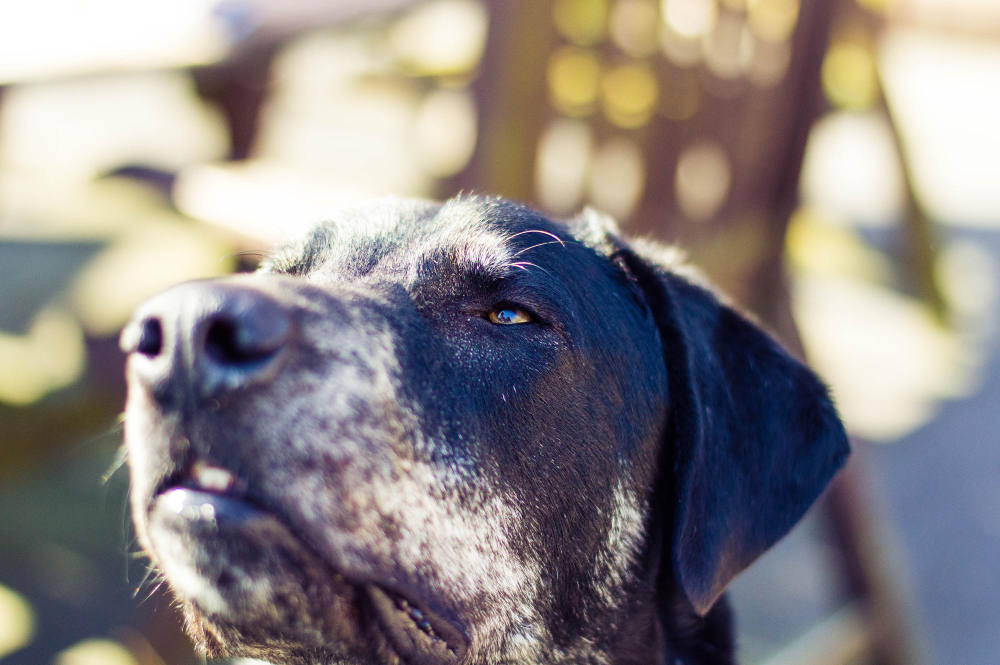
In Jupiter, Florida, our dogs are more than just pets; they're beach companions, walking buddies, and loyal family members who've spent years enjoying our sunny backyards. Watching them age is the hardest part of loving them. As they slow down, it can be difficult to tell the difference between normal aging and signs that they are approaching the end of their life.
Recognizing these signs isn't about giving up hope. It's about shifting your focus from curing to caring, ensuring their final chapter is as comfortable and full of love as possible. If you're noticing significant changes in your senior dog, understanding what is happening can help you make the most compassionate decisions for their care.
Is My Dog In Pain or Just Getting Old?
It's the question every pet parent in Jupiter eventually asks. Is that hesitation to jump into the car just stiffness, or is it something more?
Common signs of aging often start gradually. You might notice your dog sleeping more after a morning walk at Juno Beach, or taking longer to get up from their bed. However, when these behaviors intensify, they can indicate a decline in quality of life.
Significant Changes in Appetite
A healthy dog usually looks forward to mealtime. While older dogs might eat slightly less due to lower activity levels, a complete loss of interest in food or water is a serious indicator.
If your dog refuses their favorite treats or skips meals for more than 24 hours, their body may be shutting down. Dehydration is particularly dangerous in our Florida heat, so watch for dry gums or sunken eyes.
Extreme Lethargy
There is a difference between a senior dog who naps frequently and a lethargic dog. An aging dog will still greet you at the door or wag their tail when you mention a walk, even if they can't go as far as they used to.
A dying dog may show no interest in the things that used to bring them joy. They might stay in one spot for hours, soil themselves rather than getting up to go outside, or seem unresponsive to your voice. This profound fatigue often signals that their body no longer has the energy reserves to function normally.
Severe Mobility Issues
Arthritis is common in older dogs, especially in humid climates like ours, which can aggravate joint inflammation. However, when a dog can no longer stand on their own, collapses frequently, or pants heavily while resting (a sign of pain), their suffering has likely surpassed manageable discomfort.
Advanced Signs of Decline
As a dog moves closer to the end of their life, the symptoms often become more pronounced and specific. These are difficult to witness, but recognizing them allows you to seek help immediately.
Incontinence
Loss of bladder or bowel control is common in the final stages. This isn't a behavioral issue; their muscles and organs are simply losing function.
While medications can sometimes help with early-stage incontinence, total loss of control can be distressing for dogs, who naturally want to keep their sleeping area clean. Keeping them clean and dry is essential to prevent skin scald and infection.
Cognitive Dysfunction
Dog dementia, or Canine Cognitive Dysfunction (CCD), is heartbreaking. You might find your dog staring at walls, getting stuck in corners, or pacing anxiously at night. They may no longer recognize family members or forget their house training.
Labored Breathing
In the final days or hours, you may notice changes in their breathing pattern. It might become shallow, rapid, or irregular with long pauses between breaths. This is a sign that their body is beginning to shut down.
When to Seek Veterinary Care
Regular check-ups are vital for senior dogs. A geriatric exam can catch issues like kidney failure or heart disease early, potentially extending your time together.
However, if you're seeing the advanced signs listed above, it's time to have a frank conversation with a professional.
If the stress of a clinic visit is too much for your fragile pet, consider pet euthanasia in the comfort of your own home. This removes the anxiety of a car ride and the clinical smells of a hospital, allowing your dog to stay where they feel safe.
Palliative Care: Keeping Them Comfortable
Palliative care, often called hospice for pets, focuses entirely on comfort rather than a cure.
In Florida, this might mean keeping your home air-conditioned to a consistent, cool temperature to help with breathing. It involves managing pain with medication, assisting with mobility using harnesses or slings, and providing soft, orthopedic bedding.
Hygiene is also critical. If your dog is struggling with incontinence, keeping their fur trimmed and using high-quality pee pads can prevent skin irritation.
During this time, many families also start thinking about aftercare options. Pet cremation is a dignified way to handle your pet's remains. Whether you choose a private cremation to keep their ashes or a communal one, planning this in advance can save you from making difficult decisions during a moment of grief.
The Most Difficult Decision
Assessing quality of life is subjective, but veterinarians often use a "good days vs. bad days" scale. When the bad days outnumber the good—when your dog can no longer eat, drink, move without pain, or enjoy your company—it may be time to say goodbye.
Opting for in home euthanasia in Jupiter allows this transition to happen peacefully. Instead of a sterile exam table, your dog can be in their favorite spot on the lanai, surrounded by the smells of home and the people they love.
The cost for in home euthanasia in Jupiter generally ranges from $300 to $600 depending on the size of your pet and the specific services you choose, such as aftercare and memorial items. While this is an investment, many owners find the peace of mind invaluable.
Preparing for the End
Knowing what to expect doesn't make the loss easier, but it does remove the fear of the unknown.
If you choose in home euthanasia in Jupiter, the veterinarian will guide you through every step. They will explain the process, sedate your pet so they fall into a deep sleep first, and ensure there is no pain or fear.
We recommend spending those final days doing whatever your dog loves most, within their limits. Maybe it's a wagon ride to see the lighthouse, a picnic of forbidden foods like chocolate (only at the very end), or just cuddling on the floor.
Comfort and Compassion
Your dog has given you a lifetime of unconditional love. Recognizing the signs that they are ready to leave is the final gift you can give them. It ensures they don't suffer unnecessarily and that their last memory is of your gentle touch.
If you need guidance on end-of-life care or are considering in home euthanasia in Jupiter, you don't have to navigate this alone.
Need Support During this Difficult Time?
Our compassionate team is here to answer your questions and help you make the best decision for your family. Contact Rover Veterinary Care at (775) 800-6463 for support and guidance.