
· by Donna Dosado · 5 min read
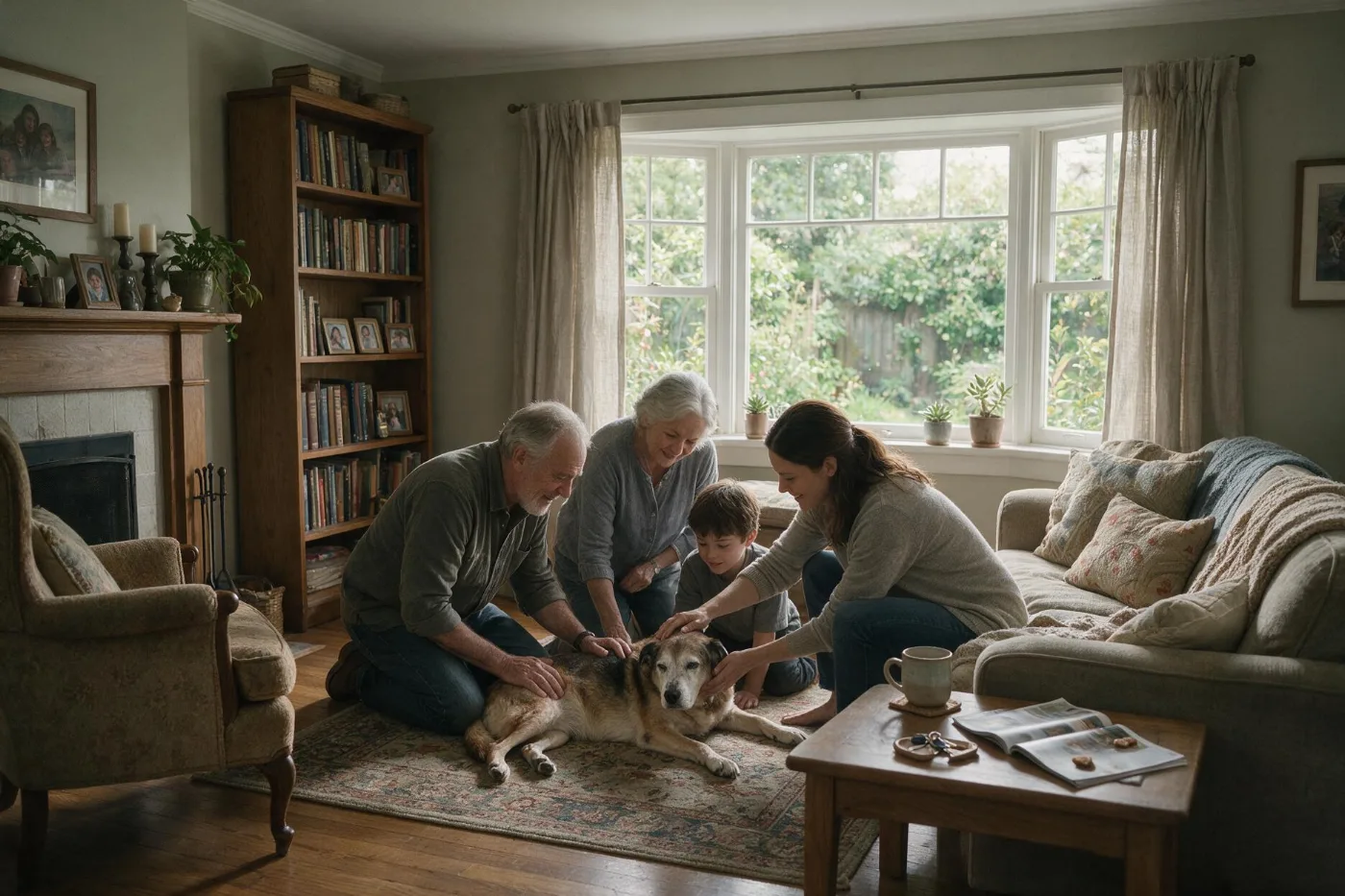
Something has shifted with your dog or cat, and you already sense it. Maybe he is slower getting up in the morning, or she has stopped waiting by the door when you get home. In the high desert around Reno, these changes tend to show up fast, especially in older pets who struggled through last winter's cold or this summer's smoke season. Rover Veterinary Care works with families across the Truckee Meadows to sort out what these changes actually mean, and whether it might be time to talk about euthanasia at home. You do not have to figure this out alone tonight. Call (775) 800-6463 or reach out through our contact page any time. There is no pressure, just an honest conversation.
When you're unsure, what should you ask yourself first?
Start by writing down exactly what has changed, in plain language, without worrying yet about what it means. When a family calls Dr. Katie confused about timing, she walks them through it step by step. When did you last see your vet, and what did they tell you? Was a diagnosis given, or even a rough prognosis? And what is different now compared to a week ago, or a month ago? These questions sound simple, but grief has a way of blurring timelines. A pet parent in the middle of it can often not tell whether their dog had one bad day or crossed into a bad stretch. Getting the facts in order, out loud, with someone who has sat in hundreds of living rooms during this exact moment, tends to bring the picture into focus faster than searching symptoms online at two in the morning. It also gives Dr. Katie what she needs to tell you, honestly, whether this looks like a stretch your pet can still ride out or something closer to the end.
What tells you a pet is truly suffering, not just aging?
A pet who is truly suffering shows you more than slow mornings, he stops doing the things that make him who he is. Watch for a real change in demeanor, not just pace: a dog who suddenly avoids eye contact, a cat who stops grooming herself. Loss of appetite is one of the clearest signs, especially in a pet who used to beg at the table. So is refusing a walk he once dragged you toward, or pulling away from the family instead of leaning into you on the couch. Some pets cannot settle at all. They pant and pace even at rest, shifting position every few minutes because nothing feels comfortable. A normally social cat who starts hiding under the bed all day is telling you something too. Compare that to a pet who is simply getting old. An aging dog still gets up for breakfast, still greets you at the door, just slower and stiffer than he used to be. He still sleeps well and still seems like himself between the aches. A suffering pet stops doing those ordinary things. He lies down without really resting, and nothing you do seems to make him comfortable for long.
Is it possible to make this decision too early?
In Dr. Katie's experience, she has never once felt she helped a family say goodbye too soon. What she has seen, again and again, is families waiting past the point where their pet was still comfortable, holding on because letting go felt impossible. Euthanasia, at its simplest, means giving your pet a good death, calm and painless, surrounded by the people and the smells she knows, instead of a slow decline nobody chose. If you are not sure where your pet falls on that line, the quality-of-life resources on our site walk through the kinds of questions Dr. Katie asks in your living room, about eating, mobility, breathing, and the moments that used to bring your pet joy. Give yourself grace here. You are not failing your pet by asking these questions early, and you are not rushing anything by wanting clear answers instead of guessing. Most families who reach out say later that they wish they had called sooner, not later.
How a Comfort Care Assessment can bring clarity
A Comfort Care Assessment is an in-home visit built to answer the exact question you are sitting with right now. Dr. Katie comes to you in Reno, Sparks, or wherever you call home, and spends real time observing your pet the way you do every day, instead of rushing through a short clinic exam between other appointments. She checks mobility, breathing, appetite, and comfort, then sits down with your family afterward and talks through what she is seeing in plain terms, with no clock running on that conversation. Some families leave the visit with a clear sense that there is more good time left. Others realize, with relief more than sorrow, that their pet has been asking for help for a while. Either answer is useful, and both come from an unhurried visit instead of a guess. If your gut has been telling you something for weeks and you just need another set of eyes, our in-home pet euthanasia and Comfort Care visits are something our team handles every day. Call (775) 800-6463 to talk it through. There are no forms to fill out first, just a conversation with someone who has done this many times before. Reaching out does not mean you have decided anything. It only means you do not have to carry the question alone tonight.