· by Hanna Carolina · 5 min read
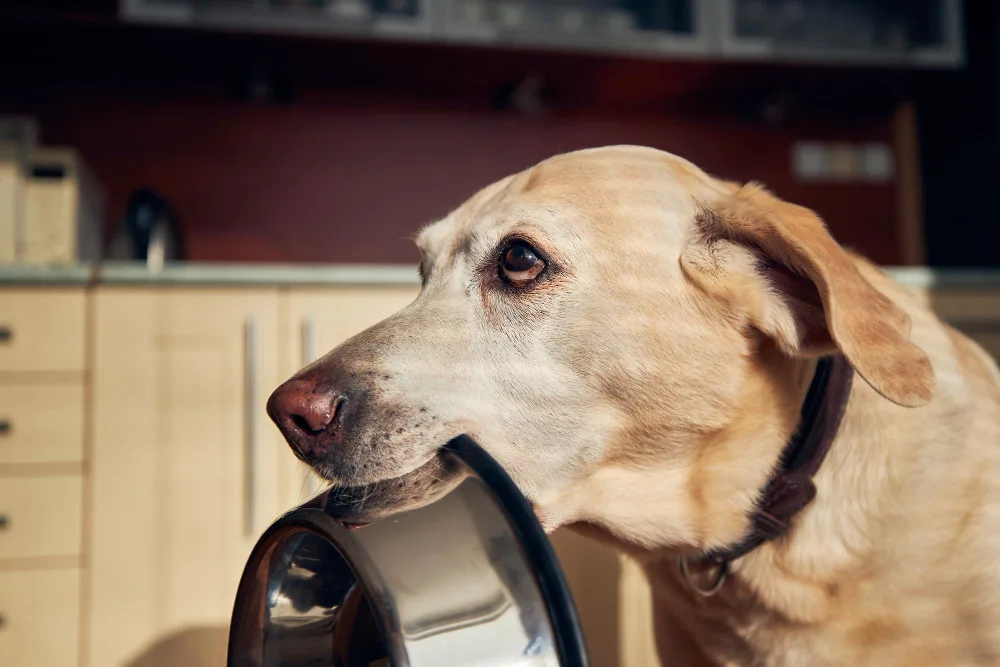
As our dogs get older, those long walks around Virginia Lake Park start to get a little shorter. You might notice them sleeping more or moving a bit more stiffly in the mornings. Just like us, senior dogs have changing needs, and what you put in their bowl plays a huge role in how they feel.
Making food at home allows you to control exactly what goes into your dog's body. It removes preservatives and lets you cater to specific issues like sensitive stomachs or joint pain. However, it’s not just about tossing leftovers into a bowl. Senior dogs require a precise balance to stay healthy and active in our High Desert climate.
What Nutritional Changes Do Senior Dogs Need?
Senior dogs typically need lower calorie intake but higher quality protein to maintain muscle mass. As their metabolism slows down by about 10-20% after age seven, they become more prone to weight gain. However, unless your dog has kidney disease, you shouldn't drastically cut protein. They actually need it more than ever to prevent muscle wasting.
We often see owners switch to "senior" kibble that just adds fillers. A homemade diet lets you provide lean meats like turkey or chicken without the empty calories. Proper nutrition supports organ function and can improve quality of life significantly, postponing difficult decisions regarding pet euthanasia.
What Are the Essential Ingredients for a Homemade Diet?
A balanced homemade diet for a healthy senior dog generally consists of 50% protein, 25% complex carbohydrates, and 25% vegetables and healthy fats. You cannot simply feed them meat; dogs are omnivores and need a spectrum of nutrients.
Here is a breakdown of what to include:
- Protein: Cooked chicken, turkey, lean beef, or eggs.
- Carbohydrates: Brown rice, oatmeal, or sweet potatoes. These provide energy and fiber for digestion.
- Vegetables: Green beans, carrots, spinach, or pumpkin.
- Supplements: Calcium is non-negotiable. You must add calcium (like eggshell powder) because meat is high in phosphorus and low in calcium.
How Much Does Homemade Dog Food Cost?
Expect to spend between $3.00 and $5.00 per day to feed a medium-sized (30-50 lb) dog a fully homemade diet using grocery store ingredients. This is roughly 30-40% more expensive than premium kibble but often cheaper than commercial fresh food subscriptions.
Cost varies based on where you shop. Buying bulk rice and frozen veggies at a big box store helps, but the meat will be your biggest expense. According to the American Kennel Club, balancing these costs with proper supplementation is vital to prevent long-term health issues. Many owners find the cost worth it when they see the "puppy energy" return. It’s an investment in their longevity, which helps delay the need for services like in home euthanasia Reno families eventually face.
Where Can I Source Ingredients in Reno?
Reno has excellent local resources for fresh ingredients that are safe for senior dogs. Shopping local ensures freshness and supports our community.
- Great Basin Community Food Co-op: Located downtown, this is a great spot for locally sourced eggs and organic vegetables free from pesticides.
- Drool Drive: If you aren't ready to cook from scratch, check out local bakeries or pet shops in Midtown that offer reliable, fresh toppers.
- Farmers Markets: The seasonal markets at Idlewild Park are perfect for picking up dog-safe veggies like zucchini or green beans at a lower cost than the supermarket.
What Risks Should I Watch Out For?
The biggest risk with homemade diets is a nutritional deficiency, specifically calcium and vitamin D imbalances. Over time, an unbalanced diet can lead to weak bones and organ failure.
Common mistakes include:
- Using onions or garlic: These are toxic to dogs.
- Too much fat: Senior dogs can’t handle high-fat diets as well, which can lead to pancreatitis.
- Skipping supplements: As mentioned, calcium is critical.
If a diet isn't balanced, you risk accelerating health decline. We sadly see cases where poor nutrition leads to preventable illnesses, sometimes resulting in early pet cremation or medical interventions. Always run your recipe by a veterinary nutritionist or your vet before switching long-term.
How Do I Transition My Dog to New Food?
Switch your dog's food gradually over a period of 7 to 10 days to avoid upsetting their stomach. Senior dogs often have more sensitive digestion, so patience is key.
Follow this schedule:
- Days 1-3: Mix 25% new homemade food with 75% old food.
- Days 4-6: Mix 50% new food with 50% old food.
- Days 7-9: Mix 75% new food with 25% old food.
- Day 10: 100% homemade food.
Monitor their stool and energy levels. If you see runny stool or vomiting, slow the transition down.
Giving Your Old Friend the Best Care
Cooking for your senior dog is a labor of love that pays off in tail wags and brighter eyes. It gives you control over their health and can make their golden years more comfortable. While we know that thinking about in home euthanasia Reno providers is something every pet parent dreads, focusing on excellent nutrition today is the best way to ensure those final days are as far off as possible.
Every meal is a chance to say "I love you" to your companion. If you have questions about your senior dog's health or end-of-life care, we are here to support you.
Need Support for Your Senior Pet?
We understand how hard it is to see your best friend slow down. Whether you need advice on senior care or compassionate end-of-life services, our team is here to help Reno families.
Contact Rover Veterinary Care at (775) 800-6463.