My neighbor in South Reno recently told me she spent over $100 on a single bag of "premium" kibble, only to find out her Golden Retriever was allergic to the main ingredient. It's a story I hear all too often. Between recalls, rising costs, and confusing ingredient labels, many of us are wondering if there's a better way to feed our furry family members.
Making dog food at home isn't just a trend; it's a way to take back control of your pet's health. Whether you're hiking the trails near Galena Creek or just relaxing in your backyard, your dog needs the right fuel to thrive in our high-desert climate.
Why Choose Homemade Dog Food?
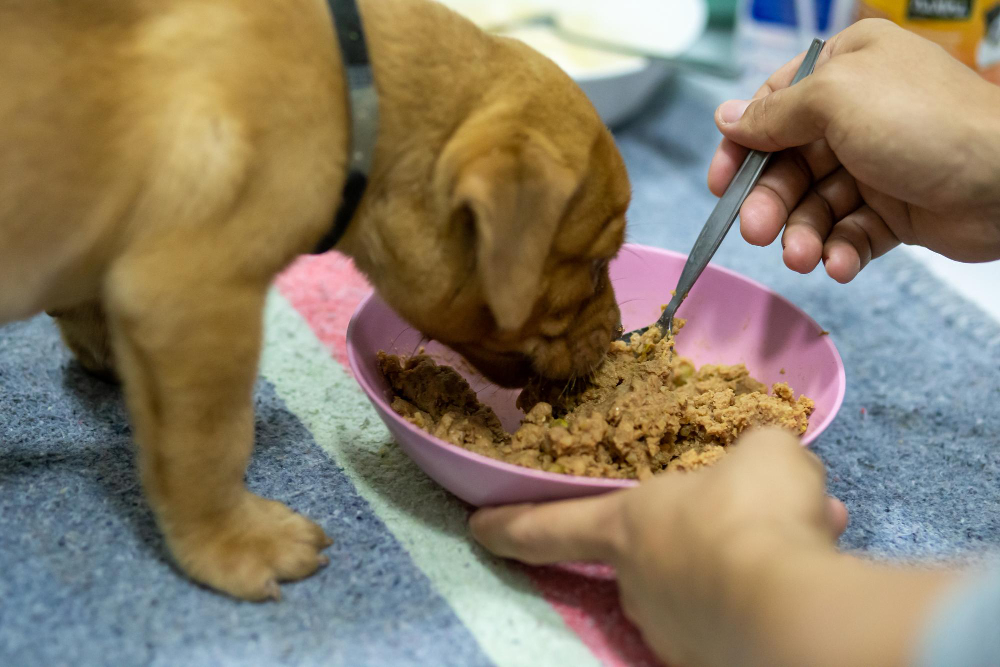
Switching to homemade meals can dramatically improve your dog's quality of life. Many owners report seeing shinier coats, better energy levels, and smaller, less smelly stools within just a few weeks. When you control exactly what goes into the bowl, you eliminate the fillers and preservatives that often cause digestive upset and itchy skin.
Cost is another major factor. While it might seem expensive upfront, making food at home can actually save you money compared to high-end commercial brands. A homemade batch of chicken and rice might cost you around $2.50 per pound to prepare, whereas premium fresh dog food services can charge upwards of $4.00 per pound. Plus, you can buy ingredients in bulk from local spots like the Great Basin Community Food Co-op to save even more.
Essential Nutrients for Reno Dogs
What Proteins Work Best in Our Climate?
In Reno's dry climate, lean proteins are excellent for maintaining muscle without adding unnecessary weight, especially for indoor dogs during our snowy winters. Chicken, turkey, and whitefish are affordable and widely available options. If your dog has a sensitive stomach, ground lamb is a fantastic alternative, though it tends to be pricier.
Carbohydrates and Fats
Carbohydrates provide energy for those long walks around Virginia Lake. Sweet potatoes, brown rice, and oatmeal are gentle on digestion and packed with fiber. For fats, focus on Omega-3 fatty acids. Since our air is so dry, adding fish oil or flaxseed to their diet helps keep their skin moisturized and their coat healthy, preventing the itchiness that comes with our arid weather.
Don't Forget Vitamins and Minerals
A common mistake with homemade diets is missing out on essential micronutrients like calcium and iodine. You can't just feed meat and rice forever; dogs need a balanced profile. Consult a vet to find a high-quality supplement powder to mix in.
3 Simple Recipes to Try
Here are three vet-approved concepts to get you started. Note: Always check with your veterinarian before switching your dog's diet, as portion sizes depend on weight and activity level.
1. The Classic Chicken and Rice
- Ingredients: 3 lbs boneless skinless chicken thighs (cooked and chopped), 2 cups brown rice (cooked), 1 cup spinach (chopped), 1 tablespoon olive oil.
- Why it works: It's bland enough for sensitive stomachs but packed with protein.
2. Fish and Sweet Potato Feast
- Ingredients: 2 lbs whitefish (cod or tilapia, cooked), 2 large sweet potatoes (boiled and mashed), 1 cup green beans (steamed).
- Why it works: Fish provides excellent Omega-3s for dry skin, and sweet potatoes offer slow-burning energy.
3. Vegetarian Delight
- Ingredients: 3 cups cooked lentils, 2 cups pumpkin puree (not pie filling), 1 cup cooked quinoa, 1 tablespoon flaxseed oil.
- Why it works: A great occasional meal to reduce meat consumption, perfect for dogs with specific protein allergies.
Transitioning Your Dog Safely
Rushing a diet change is the fastest way to cause an upset stomach. Start by mixing 25% homemade food with 75% of their old kibble for about three days. If their stool remains firm, move to a 50/50 mix for the next three days, and so on. This slow transition allows their digestive system to adapt to the new, fresh ingredients.
Keep a close eye on your dog during this time. Vomiting or diarrhea are signs you're moving too fast or an ingredient doesn't agree with them. Unfortunately, as our pets age, their digestion can change significantly. If you're caring for a senior pet with declining health, it's difficult to know when nutrition is enough and when it might be time to discuss end-of-life care. We offer compassionate pet euthanasia services to help guide you through those difficult decisions when quality of life becomes the main concern.
Safety and Storage Tips
Treat homemade dog food just like your own leftovers. Store cooked food in airtight containers in the refrigerator for no more than 3-4 days. For longer storage, freeze individual portions in Ziploc bags or silicone molds; they'll last up to 3 months.
Always handle raw meat with care to prevent salmonella contamination. Wash your hands, utensils, and surfaces thoroughly after prepping.
Thinking About the Long Term
Feeding your dog a nutritious diet is an act of love that pays off in their vitality and happiness. Whether you're in Midtown or out in Spanish Springs, seeing your dog excited for mealtime is a reward in itself.
However, we know that loving a pet also means planning for the end of their journey. When that time comes, many families find comfort in planning ahead. We provide respectful pet cremation options to honor your faithful companion's memory.
If you're exploring options for in home euthanasia in Reno, knowing the logistics helps reduce stress. The cost for in-home euthanasia typically ranges from $300 to $600 depending on your pet's size and your location within the valley. Planning for this allows you to focus entirely on your pet in their final moments.
If you have questions about your pet's health, nutrition, or end-of-life care, please don't hesitate to reach out. We are here to support the Reno pet community in every way we can.
Need Support?
For compassionate care in the comfort of your home, contact Rover Veterinary Care at (775) 800-6463.