
Will a Vet Refuse Euthanasia? A Guide for Reno Pet Owners

Will a Vet Refuse Euthanasia? A Guide for Reno Pet Owners

Will a Vet Refuse Euthanasia? A Guide for Reno Pet Owners

Deciding to say goodbye to a beloved pet is the hardest choice a pet owner will ever face. It is a moment filled with doubt, guilt, and overwhelming sadness. Amidst this emotional turmoil, you might find yourself worrying about the logistics. One common fear is whether a veterinarian will agree with your decision. Will they say no?

The short answer is that, yes, a vet can refuse euthanasia, but it's rare and usually happens for specific ethical reasons. Vets entered this profession to help animals, and sometimes that means ending suffering. However, they also swear an oath to protect animal life. We offer compassionate pet euthanasia services to help guide you through this difficult transition, but understanding the medical and ethical guidelines can help set your mind at ease.

Do vets have to agree to euthanasia?

No, veterinarians are not legally required to euthanize a healthy animal.

A vet’s primary responsibility is to the well-being of the patient—your pet. If an animal is healthy, or has a condition that is easily treatable and does not affect their long-term quality of life, a vet may refuse the request. This is often referred to as "convenience euthanasia," where a pet owner requests the procedure for reasons unrelated to the animal's health, such as moving to a new home or behavioral issues that haven't been addressed with training.

However, if your pet is suffering from a terminal illness or their quality of life has deteriorated significantly, most vets will support your decision. They want to prevent unnecessary suffering just as much as you do.

When is euthanasia medically necessary?

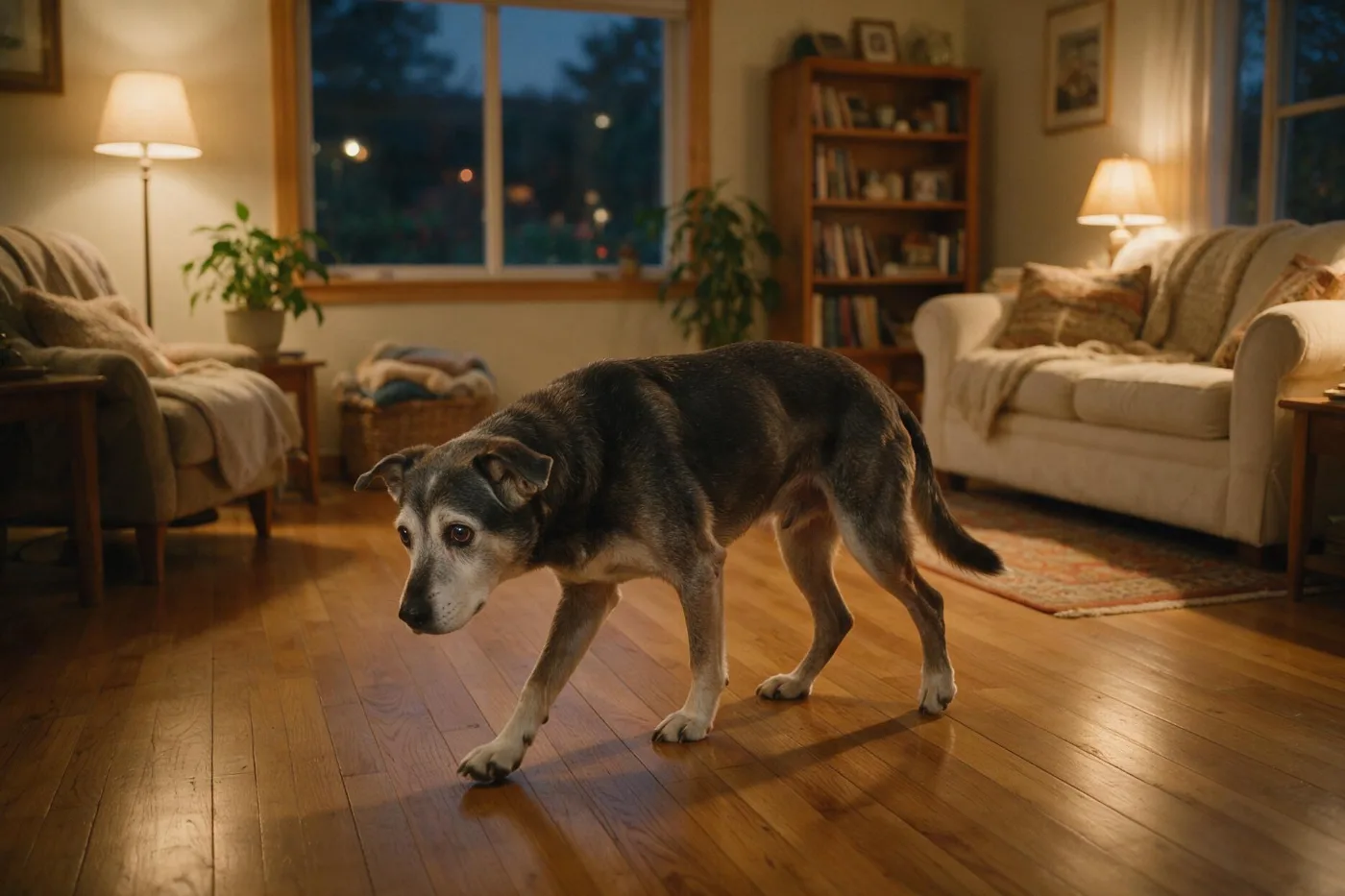
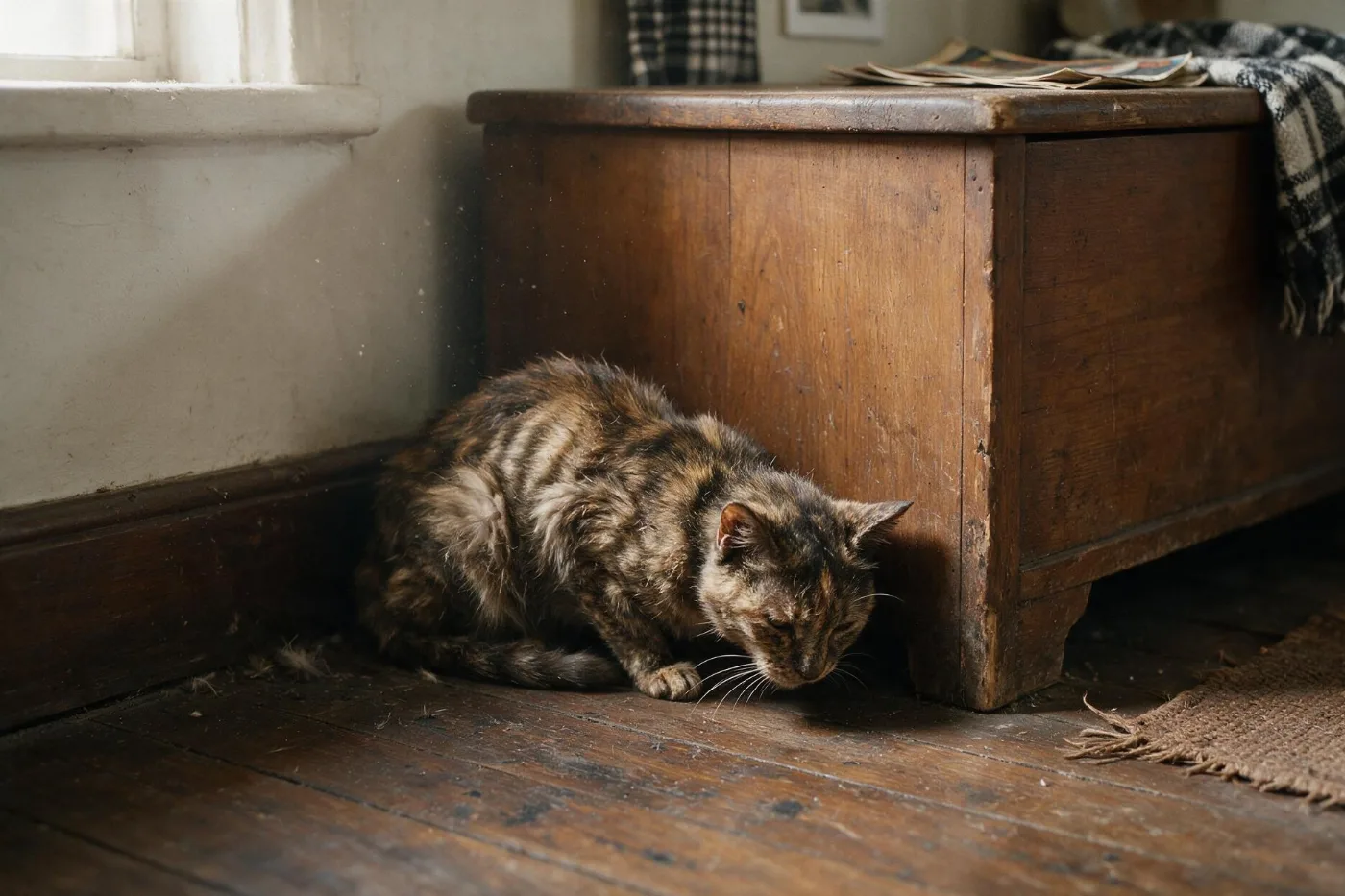
Determining when it's "time" is subjective, but veterinarians look for specific medical indicators. They assess quality of life using a few key factors:

  • Pain management: Is the pet in pain that cannot be controlled with medication?
  • Appetite and hygiene: Is the pet eating? Can they go to the bathroom on their own?
  • Joy: Does the pet still enjoy their favorite activities, or do they sleep all day?

A common rule of thumb is the "50% rule." If the bad days outnumber the good days, it may be time to discuss end-of-life options. While emergency measures in a crisis can cost upwards of $800 to $1,500 at a 24-hour emergency hospital, opting for a planned, peaceful passing often provides more dignity for the pet.

Can personal beliefs stop a vet?

Veterinarians are humans with their own moral compasses. While they are guided by medical facts, their personal ethics play a role. Some professionals may feel uncomfortable euthanizing a pet they believe still has a chance at a happy life, even if the medical prognosis is guarded.

If you run into this situation, it does not mean you're wrong. It simply means you and that specific provider are not on the same page. Open communication is key here. Explain your observations of your pet’s daily struggles. You see your pet every day in your home environment; the vet only sees them for 15 minutes in a clinic.

Understanding in-home services in Reno

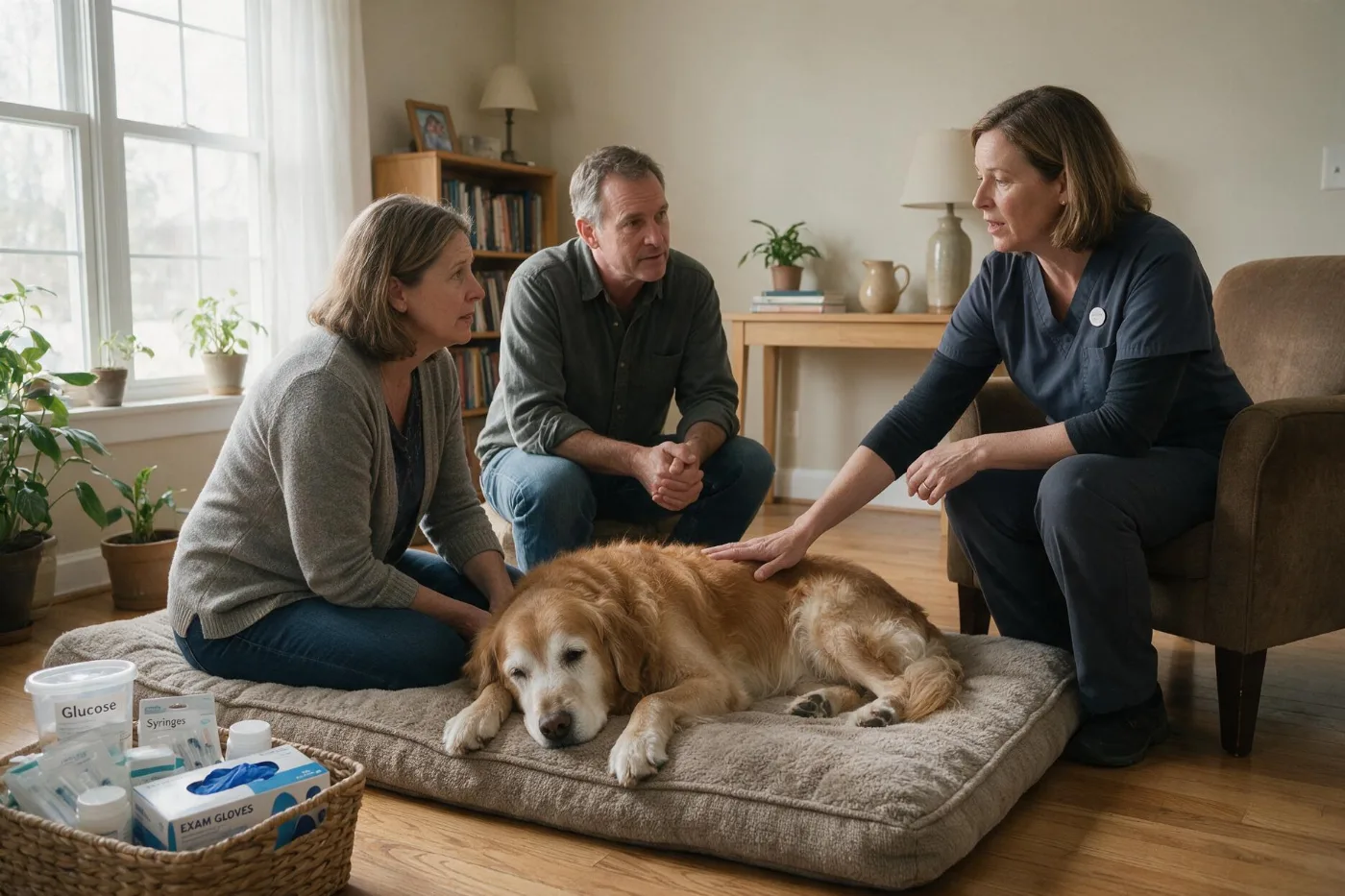
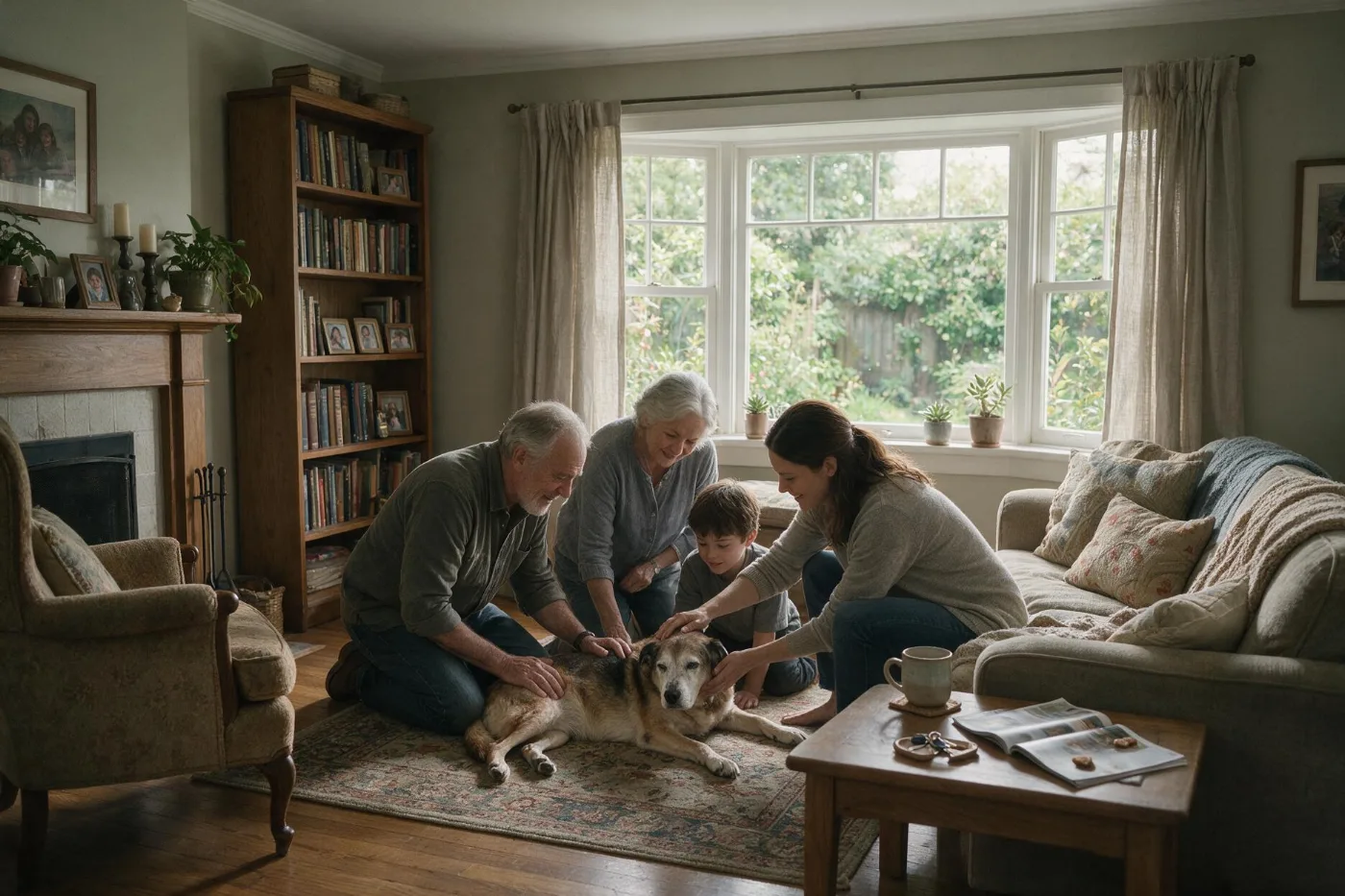
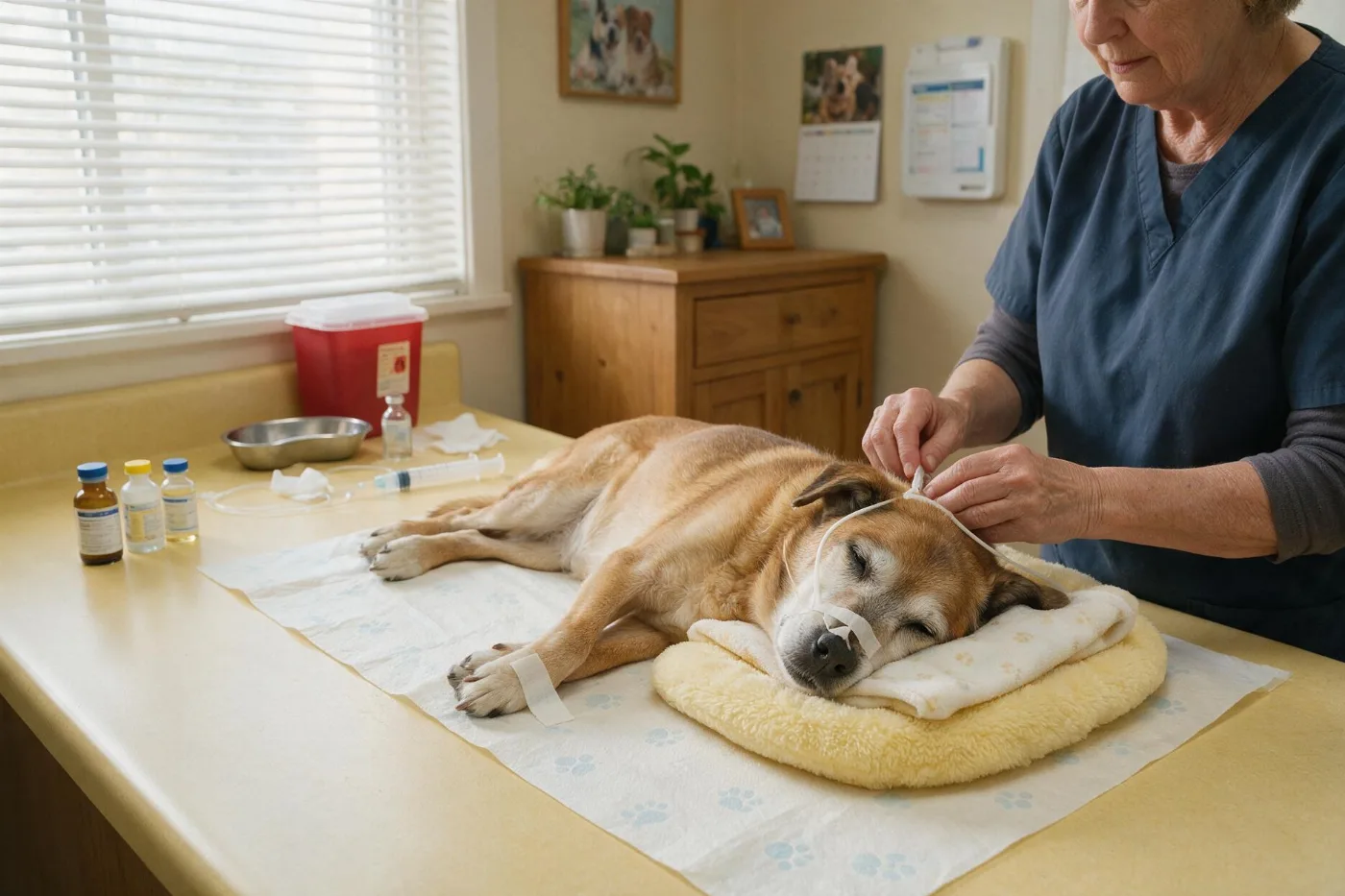
For many families, the clinical setting of a hospital adds anxiety to an already stressful day. This is why in home euthanasia in Reno, Nevada has become such a valued service. It allows your pet to pass in their favorite spot, whether that's on a sun-drenched rug or in the backyard.

At Rover Veterinary Care, we believe in transparency regarding the costs associated with this peaceful option.

  • Euthanasia Only: Our base package for the visit and procedure is $400.
  • Weight Factors: For larger breeds over 100 pounds, there is an additional $50 fee to ensure we have the necessary staff and resources.
  • Timing: We understand that these needs don't always happen during business hours. We offer evening and weekend appointments to accommodate your family's needs.

Whether you live near the bustle of MidTown or the quieter streets of Donner Springs, our goal is to bring peace to your home.

What happens after?

Once the decision is made, you must consider what happens to your pet's remains. This is often the part of the process families want to think about the least, but having a plan can reduce stress on the day of the appointment.

Pet cremation is the most common choice for aftercare. You generally have three options:

  1. Communal Cremation: Your pet is cremated with others, and ashes are not returned. This is a respectful and cost-effective option.
  2. Individual/Private Cremation: Your pet is cremated alone (or partitioned), and their ashes are returned to you in an urn.

For those searching for in home euthanasia in Reno, Nevada, we offer comprehensive packages that include cremation services to handle everything for you. For example, our Euthanasia & Individual Cremation package is $650, which handles the procedure, transport, and return of your pet's ashes.

Coping with the decision

Guilt is a natural part of losing a pet. You might wonder if you did it too soon, or waited too long. Remember that choosing to end suffering is the final act of love you can offer your companion.

If you're looking for in home euthanasia in Reno, Nevada, ensure you choose a team that validates your feelings. From the North Valleys to the edges of Rancho San Rafael Park, we have helped countless neighbors navigate this grief. You are not alone in this.

Making the final call

A vet will rarely refuse euthanasia if it's in the best interest of the animal. If your pet is suffering, you have the right to seek a peaceful end for them. Trust your knowledge of your pet. You know them best.

If you have questions about your pet's quality of life or want to discuss the process, we are here to listen. Contact Rover Veterinary Care at (775) 800-6463 to discuss how we can help your family find peace.

Rover Veterinary Care - Reno, Nevada
To Top