Canine Idiopathic Vestibular Syndrome (CIVS) can be disconcerting for pet owners. If your dog suddenly loses balance or begins to tilt its head, it can indicate a vestibular issue. This blog will help you understand CIVS and what steps you can take if you suspect your dog is suffering from it.
What is Canine Idiopathic Vestibular Syndrome?
Canine Idiopathic Vestibular Syndrome, commonly known as Old Dog Vestibular Syndrome, affects a dog's balance and coordination. The term "idiopathic" means that the exact cause is unknown, which can be frustrating for both veterinarians and pet owners alike.
Symptoms of CIVS
Loss of Balance
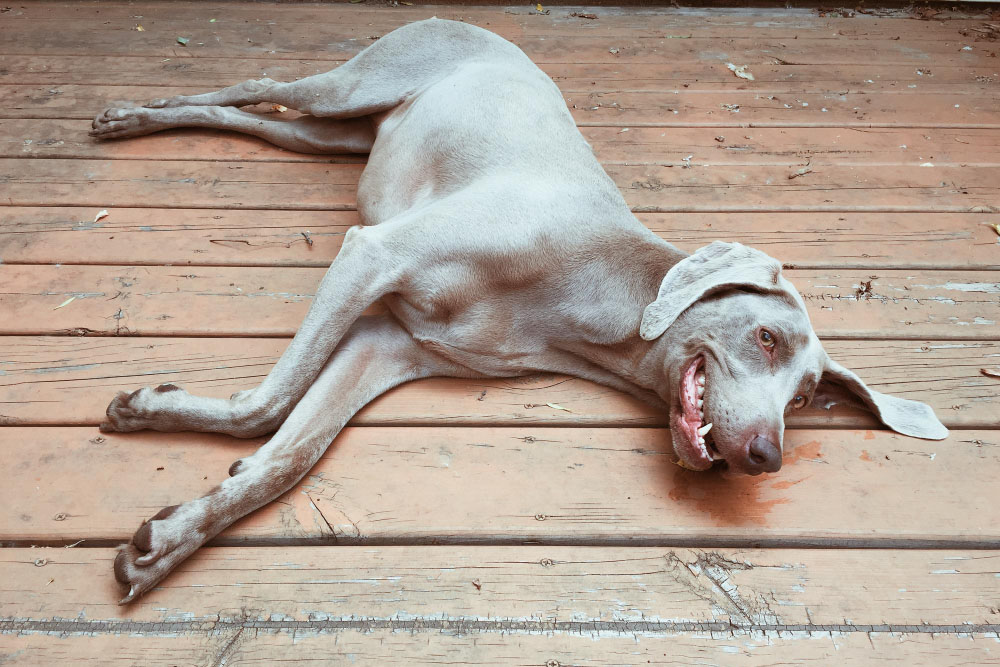
One of the primary symptoms of CIVS is a sudden loss of balance. Dogs may appear dizzy, stumble, or fall over when trying to walk.
Head Tilt
Another hallmark symptom is a noticeable head tilt. Your dog might consistently tilt its head to one side, indicating issues within the vestibular system.
Rapid Eye Movement
Also known as nystagmus, this involves rapid and involuntary eye movements. This can affect your dog’s ability to focus and maintain balance.
Vomiting and Nausea
Due to the dizziness and loss of balance, your dog may experience vomiting and nausea. This is similar to motion sickness in humans.
Causes of Vestibular Syndrome in Dogs
While the exact cause of CIVS is idiopathic, meaning it is unknown, several factors can potentially trigger the condition:
Ear Infections
Inner ear infections are a common cause of vestibular syndromes in dogs. These infections can affect the nerves responsible for balance.
Trauma
Head injuries can also contribute to the onset of vestibular syndromes.
Stroke
Though less common, strokes can cause vestibular problems in dogs.
Diagnosis
Diagnosing CIVS can be tricky due to its idiopathic nature. However, veterinarians typically use a combination of clinical signs and diagnostic tests to rule out other potential causes.
Physical Examination
A thorough physical examination will be the first step. The vet will check for ear infections, observe eye movements, and assess the dog’s head tilt.
Diagnostic Tests
Blood tests, X-rays, and MRI scans may be conducted to rule out other conditions such as tumors or strokes.
Treatment Options
Fortunately, most cases of CIVS are self-limiting and improve with time. However, supportive care is crucial for managing symptoms.
Medications
Anti-nausea and anti-inflammatory medications can help manage symptoms and make your dog more comfortable.
Supportive Care
Providing a safe environment for your dog is essential. Remove any obstacles that could cause injury and consider using a harness to help them walk.
Physical Therapy
In some cases, physical therapy may be recommended to help your dog regain balance and coordination.
Long-term Prognosis
The good news is that most dogs recover from CIVS within a few weeks. However, some may have a residual head tilt or occasional balance issues.
When to Consider Euthanasia
While CIVS is generally not a life-threatening condition, the symptoms can be severe and distressing for both pets and their owners. If your dog’s quality of life does not improve, you may need to consider humane options.
In-Home Euthanasia
If you’re considering in-home euthanasia in Jupiter, FL, contact Rover Veterinary Care. Our compassionate team can help guide you through this difficult decision, ensuring your pet’s comfort and dignity.
Signs to Consider
- Persistent pain and discomfort
- Inability to perform daily activities
- Severe and unmanageable symptoms
Conclusion
Canine Idiopathic Vestibular Syndrome can be a challenging condition to manage, but with the right care and support, most dogs make a full recovery. If you’re considering in-home euthanasia in Jupiter, FL, contact Rover Veterinary Care today for more information.